Industrial Waste Solutions for Manufacturing Facilities
Managing industrial waste Solutions in manufacturing facilities is a critical part of ensuring efficient and environmentally-friendly operations. As we produce goods, a significant amount of waste is generated, which includes everything from scrap metal and chemical byproducts to packaging materials. Without effective waste management practices, this waste can pose serious environmental risks and operational challenges.
Proper waste management begins with understanding the types of waste your facility generates. By identifying these waste streams, we can develop tailored waste disposal solutions that meet regulations and promote sustainability. Many manufacturing facilities produce hazardous waste that requires special handling and disposal methods to prevent environmental contamination. Having a well-designed waste management plan helps us address these issues responsibly and effectively.
Improving waste management practices can lead to numerous benefits, including cost savings, regulatory compliance, and enhanced corporate reputation. Sustainable practices, such as recycling and waste reduction, also play a significant role in minimizing our environmental impact. By focusing on effective waste solutions, manufacturing facilities can operate more efficiently and reduce their ecological footprint, ultimately contributing to a healthier planet for future generations.
Common Types of Industrial Waste in Manufacturing Facilities
Understanding the types of waste generated in manufacturing facilities is crucial for effective waste management. Different industries produce varying waste streams, each requiring specific disposal methods. Here are some common types of industrial waste found in manufacturing settings:
1. Scrap Metal: Metal waste often includes pieces of steel, aluminum, copper, and other metals. These scraps usually result from the manufacturing process and can be recycled and reused in new products.
2. Chemical Waste: Many manufacturing facilities generate chemical waste, including solvents, acids, and other hazardous substances. Proper handling and disposal of these chemicals are necessary to prevent environmental contamination.
3. Packaging Materials: Large volumes of packaging waste, such as plastic wraps, cardboard boxes, and wooden pallets, are common. These materials can often be recycled or repurposed.
4. Electronics Waste: E-waste includes discarded electronic devices and components like computers, monitors, and circuit boards. E-waste should be handled carefully due to the presence of toxic substances.
5. Production Byproducts: Some manufacturing processes produce byproducts like sludge, ash, and by-product chemicals. The disposal of these materials must comply with environmental regulations.
Proper identification of these waste types allows us to develop suitable disposal and recycling strategies, ensuring compliance with regulations and promoting sustainability.
Choosing the Right Waste Disposal Solutions for Manufacturing
Selecting the right waste disposal solutions for manufacturing facilities is key to effective waste management. Here are some steps and factors to consider:
1. Assess Your Waste Streams: Begin by identifying the types and volumes of waste your facility generates. This assessment helps determine the best disposal methods and the size of waste bins or dumpsters needed.
2. Segregate Waste: Properly segregate waste into categories like recyclables, hazardous waste, and general waste. Segregation simplifies disposal and ensures that recyclable materials don’t end up in landfills.
3. Choose the Right Container Size: Based on the volume of waste, select the appropriate container size. Manufacturing facilities often require larger dumpsters, such as 30-yard or 40-yard containers, to accommodate their waste.
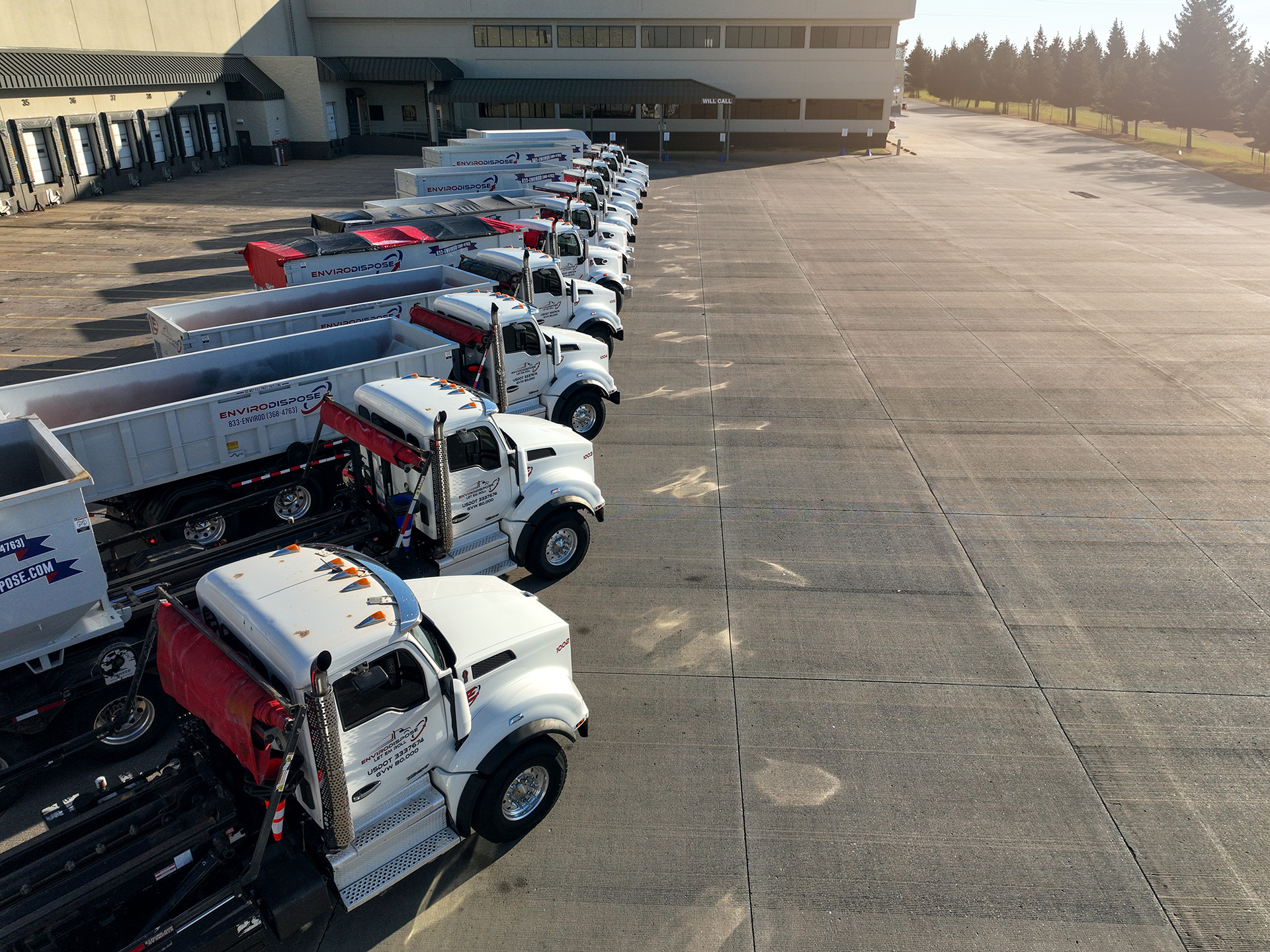
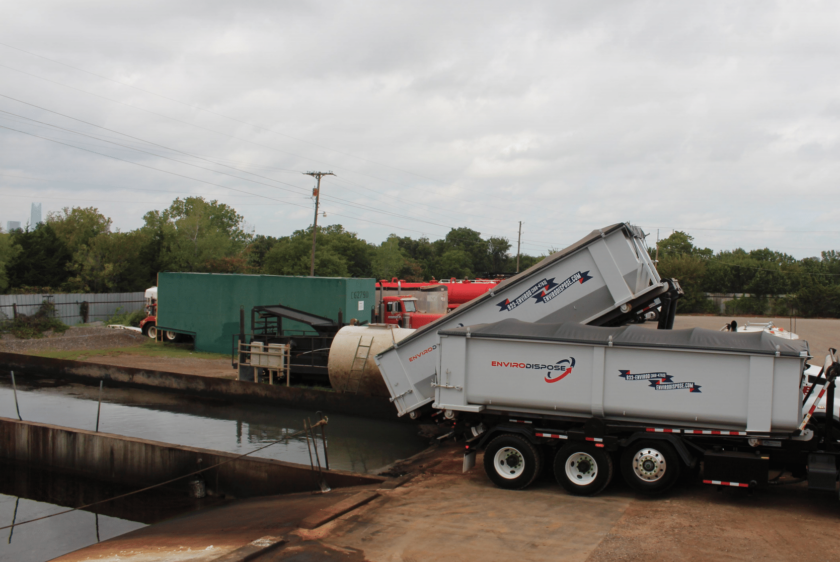
4. Partner with Reliable Waste Disposal Services: Collaborate with waste disposal companies that specialize in industrial waste. These companies can provide the necessary containers, regular pickup services, and ensure compliance with regulations.
5. Implement Recycling Programs: Establish recycling programs for materials like metal, plastic, cardboard, and electronics. Recycling reduces the amount of waste sent to landfills and promotes resource conservation.
By following these steps, manufacturing facilities can establish effective waste disposal solutions that enhance operational efficiency and environmental responsibility. Proper planning and execution of waste management strategies ensure that waste is handled safely and sustainably.
Benefits of Proper Industrial Waste Management
Proper industrial waste management offers numerous benefits that go beyond merely keeping the facility clean. One significant advantage is cost savings. Efficient waste disposal methods can decrease the costs associated with hauling waste to landfills and reduce the need for purchasing raw materials. Recycling efforts can even generate revenue, adding financial value to waste management practices.
Additionally, adhering to waste management regulations helps avoid potential fines and legal penalties. Compliance with federal and state environmental laws ensures that the facility operates without risking hefty fines for improper disposal. Effective waste management techniques also contribute to a safer working environment by reducing hazards associated with unmanaged waste.
Enhanced corporate reputation is another key benefit. Companies known for their responsible waste management practices often enjoy better relationships with the community and stakeholders. Emphasizing sustainability can also attract customers and partners who prioritize environmental responsibility, thus boosting the company’s marketability and brand image.
Sustainable Practices for Managing Industrial Waste
Adopting sustainable practices for managing industrial waste is essential for reducing our environmental impact. One effective practice is to integrate the principles of Reduce, Reuse, and Recycle (the 3 Rs) into daily operations. Start by reducing the amount of waste produced, perhaps by redesigning products to use fewer materials. Reuse items whenever possible, and set up robust recycling programs for materials like metal, plastic, and cardboard.
Another sustainable practice is to train employees on the importance of waste reduction and proper disposal methods. Regular training ensures that everyone at the facility is aware of best practices and understands how to segregate and dispose of waste responsibly. Employee involvement is crucial for the success of any waste management initiative.
Investing in waste management technologies can also enhance sustainability. Equipment such as compactors and balers can reduce the volume of waste, making it easier to handle and transport. Waste-to-energy technologies convert waste materials into usable energy, providing an eco-friendly disposal option for certain types of waste.
Lastly, consider partnering with waste disposal services that prioritize sustainability. Such partnerships ensure that waste is handled in the most environmentally friendly manner possible, from collection to final disposal. By embracing these sustainable practices, we can make significant strides toward reducing our ecological footprint and promoting a healthier planet.
Conclusion
Effective waste management in manufacturing facilities is vital for operational efficiency, regulatory compliance, cost savings, and environmental protection. By understanding the types of industrial waste generated, choosing the right disposal solutions, and adopting sustainable practices, we can improve how we handle waste and contribute positively to the environment. Proper waste management also enhances safety and supports a better corporate image.
At EnviroDispose, we are committed to helping you manage your industrial waste responsibly. With a range of solutions tailored to your needs, we ensure that your facility remains compliant and efficient. Ready to improve your waste management practices and embrace sustainability? Contact us today to learn more about our commercial dumpster rental in Bethany.