
Tips for Efficient Waste Management in Residential Areas
Managing household waste effectively is more crucial now than ever, not just for maintaining cleanliness, but for contributing to environmental sustainability as well. We understand that every family and home is different, which means your waste management needs are unique. Our goal is to help you identify those needs and provide you with solutions that make daily waste management not only manageable but also efficient.
At our company, we provide various dumpster sizes and recycling options tailored to meet the specific demands of your household. Whether you are undertaking a minor home renovation or just looking to improve your everyday waste disposal methods, choosing the right size and type of bin is fundamental. Equally important is understanding how to minimize the waste you produce through smart practices and habits.
We aim to empower you with the knowledge and tools to make waste management at home as seamless and effective as possible. By the end of our discussion, you’ll not only be better equipped to handle your household waste but also contribute positively toward a cleaner, greener environment. Join us as we delve into practical steps that will transform the way you manage waste at home.
Understanding Your Residential Waste Management Needs
Recognizing your residential waste management needs is the first step to achieving an efficient and environmentally friendly home. Different homes produce varied amounts of waste depending on factors such as the number of inhabitants, lifestyle, and even seasons of the year. For instance, during the holiday season, you’re likely to generate more waste due to festivities and gatherings. We help you evaluate your household waste generation patterns to ensure you select the right services that align with your needs.
To manage your residential waste effectively, consider the frequency of waste collection that suits your household, whether it’s weekly or bi-weekly, and the types of waste your home predominantly disposes of, including recyclables, organics, or general waste. Understanding these aspects helps us provide a tailored service that not only meets your waste disposal needs but also supports your goals for a sustainable lifestyle.
Selecting the Right Dumpster Size for Your Home
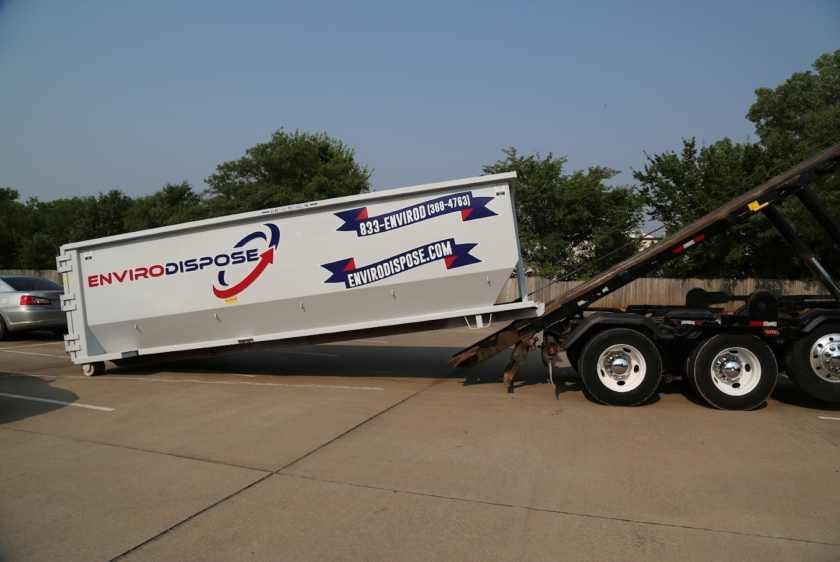
Choosing the appropriate dumpster size for your home is crucial to handling waste effectively without overspending on too much capacity. For small households or those with limited space, a 10-yard dumpster often suffices for both regular waste disposal and project-based needs like home renovations. For larger families or homes undergoing significant projects like a major renovation or landscaping, a 20-yard or even a 30-yard dumpster might be necessary.
We offer a variety of dumpster sizes and flexible rental periods to accommodate your specific needs. Determining the right dumpster size involves assessing the volume of waste typically generated, the type of materials you need to dispose of, and evaluating the space available for placing the dumpster at your home. By choosing the correct size, you not only manage waste more efficiently but also control costs by avoiding overage fees for exceeding weight limits or ordering a dumpster too large for your actual needs.
Practical Steps to Reduce Household Waste
Reducing household waste is not just beneficial for the environment; it can also significantly declutter your space and save money in waste management costs. We encourage you to start by minimizing the use of disposable items. Opting for reusable alternatives like cloth napkins, glass containers, and metal straws can make a significant impact. Additionally, consider composting organic waste, such as food scraps and yard debris. Composting not only reduces the amount of waste sent to landfills but also provides excellent nutrition for your garden.
Another effective strategy is to plan your meals carefully to prevent food waste. When you buy only what you need and utilize leftovers creatively, you significantly cut down on the amount of waste generated. We offer tailored advice on how you can implement these practices in a way that fits seamlessly into your daily routine, making waste reduction an achievable goal for your household.
Recycling Guidelines and Tips for Homeowners
Recycling is a key component of responsible waste management. To ensure you are recycling effectively, it is important to understand what materials can be recycled and how they should be sorted. We provide clear guidelines and labels for our recycling bins, which help remove the guesswork from the process. Items like paper, cardboard, certain plastics, and metals are typically recyclable, but they need to be clean and free of food waste to be processed correctly.
We also suggest setting up a dedicated recycling area in your home to make the process easier and more habitual. Placing bins in accessible locations and educating all family members about the importance of recycling and its methods can significantly boost recycling rates. We are committed to helping you maximize the effectiveness of your recycling efforts with easy-to-follow tips and ongoing support.
Conclusion
Managing residential waste efficiently requires a combination of the right resources and a commitment to sustainable practices. By understanding your waste management needs, selecting the appropriate dumpster sizes, reducing waste at the source, and following best recycling practices, you can maintain a cleaner home and contribute positively to environmental conservation.
At EnviroDispose, we are dedicated to providing you with solutions that not only meet your immediate waste disposal needs but also help you build a more sustainable lifestyle. For more information on how we can assist with your residential waste management, reach out to our waste disposal service provider today. Let’s make a meaningful impact on the environment together.