
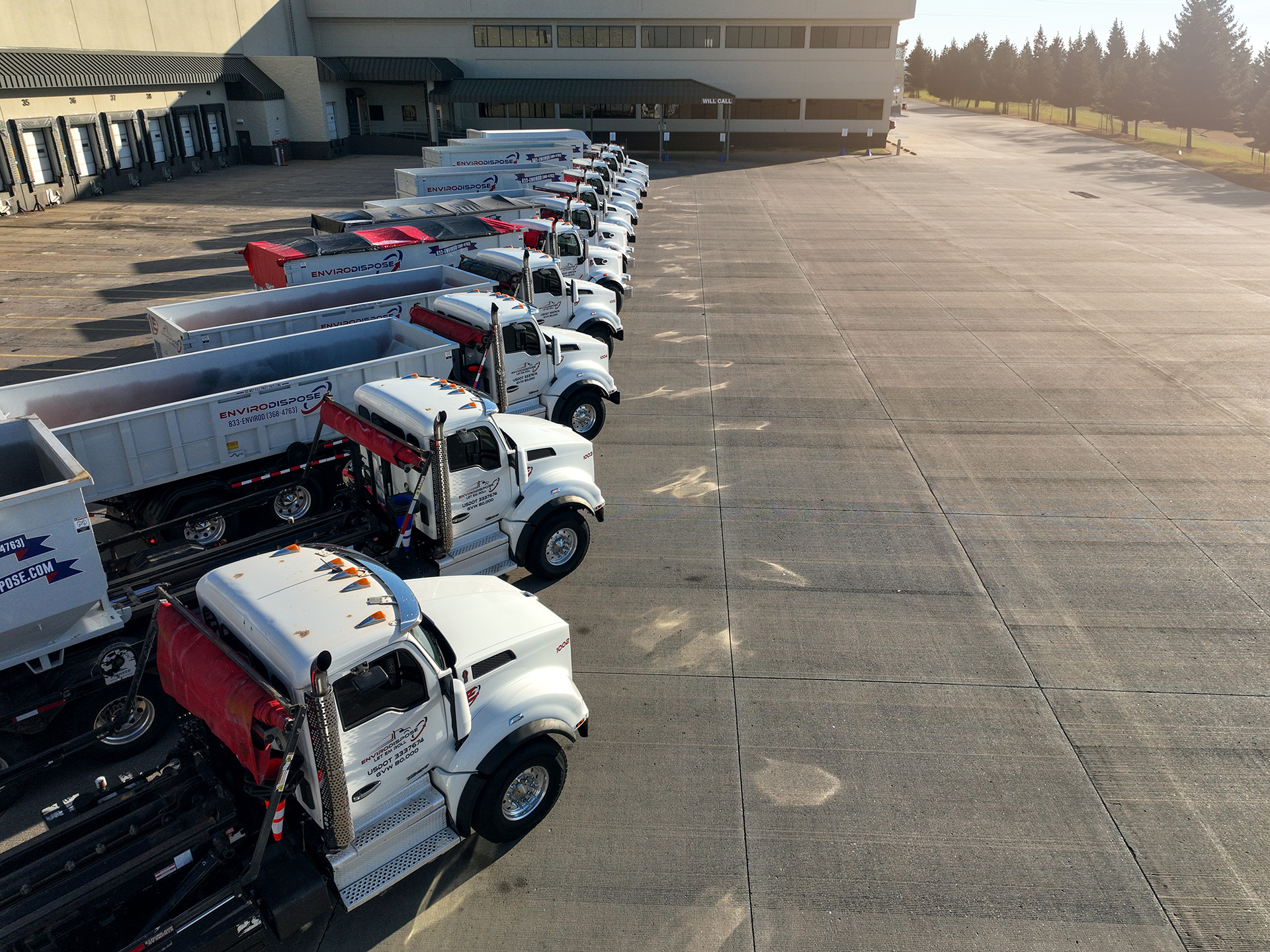
Optimizing Waste Disposal for Large-Scale Projects
Managing waste disposal for large-scale projects can seem daunting, but with proper planning, it becomes much more manageable. Whether you’re working on a major construction site, an industrial facility, or organizing a large event, efficient waste management is essential. Proper waste disposal not only keeps the project site clean but also helps in reducing the environmental impact.
To start, it’s important to understand the scale of your project and the type of waste it will generate. This involves estimating the amount and types of waste and planning accordingly. Different projects produce different kinds of waste, and knowing what to expect helps in selecting the right disposal methods and resources.
Once you have a grasp of the waste needs, the next step is choosing the right dumpster sizes and types. The right choice can make a huge difference in handling waste efficiently and cost-effectively. We will help you navigate through various options to find the best fit for your project. Additionally, implementing efficient waste segregation and recycling practices can greatly minimize the amount of waste that ends up in landfills. Following best practices in waste management makes the entire process more eco-friendly and sustainable.
Effective waste disposal also involves being cost-conscious. There are various strategies to manage waste disposal expenses without compromising on quality. Finding the right balance ensures that large-scale projects remain within budget while adhering to regulatory requirements. With proper planning and execution, waste disposal can be optimized to meet both economic and environmental goals.
Understanding the Scale of Your Project and Waste Needs
Before you begin a large-scale project, it’s crucial to understand the scope and scale of the waste it will generate. This initial step sets the foundation for an effective waste management strategy. Start by evaluating the type of project you’re undertaking.
For example, construction projects typically produce large amounts of concrete, metal, and wood debris, whereas residential clean outs may generate a higher volume of household junk like old furniture and appliances.
Make a list of all the materials that will be discarded during the project. Think about both the volume and the types of waste. Estimating the amount and types of waste helps in choosing the right type and size of dumpsters. For a construction site, include materials like bricks, drywall, and roofing shingles in your calculations. For industrial projects, consider additional factors like manufacturing by-products or excess raw materials. Knowing what you need to dispose of will help streamline the process and prevent any surprises.
Choosing the Right Dumpster Sizes and Types
Selecting the right dumpster size and type is vital for maximizing efficiency and cost-effectiveness. Dumpsters come in various sizes, typically ranging from 10-yard to 40-yard capacities. The size you need depends on the volume of waste estimated in the initial planning phase.
Common Dumpster Sizes:
1. 10-Yard Dumpster: Ideal for small residential projects, attic cleanouts, and minor renovations.
2. 20-Yard Dumpster: Suitable for medium-sized projects like kitchen remodels or larger residential cleanouts.
3. 30-Yard Dumpster: Best for extensive home renovations or larger construction jobs.
4. 40-Yard Dumpster: Perfect for major construction projects, industrial waste, or significant home cleanouts.
In addition to size, think about the type of dumpster that suits your project. Roll-off dumpsters are convenient for large-scale waste disposal because they can be easily delivered and picked up. For industrial and manufacturing uses, specialized dumpsters might be needed to handle specific types of waste, such as scrap metal or heavy debris.
By matching your waste needs with the appropriate dumpster size and type, you ensure a more streamlined and cost-effective waste disposal process. Proper planning in dumpster selection helps to avoid overflows, unnecessary rental costs, and inefficiencies in waste management.
Efficient Waste Segregation and Recycling Practices
To optimize waste disposal for large-scale projects, it’s important to practice efficient waste segregation and recycling. Properly sorting different types of waste at the source not only helps in complying with regulations but also maximizes recycling opportunities. This reduces the amount of waste sent to landfills and supports environmental sustainability.
Start by setting up designated bins for different types of materials such as paper, plastics, metals, and organic waste. Ensure that all team members and contractors are aware of these categories and understand the importance of segregating waste properly. Signage and training sessions can be useful for reinforcing these practices. In construction projects, segregate materials like wood, concrete, and scrap metal. For events, sort out recyclable items like aluminum cans, plastic bottles, and cardboard.
Recycling is a key component of waste management. Partner with local recycling facilities to ensure that the separated materials are effectively processed. Encourage the reuse of certain materials whenever possible. For industrial projects, consider creating an inventory of recyclable by-products that can be reintroduced into the manufacturing process. Efficient segregation and recycling not only help the environment but also can reduce overall disposal costs.
Cost-Effective Strategies for Large-Scale Waste Management
Managing waste disposal costs effectively is crucial for staying within budget while ensuring regulatory compliance. There are various strategies to make waste management more cost-effective without compromising on quality.
One effective strategy is to rent the appropriate dumpster size based on the waste estimation. By avoiding overestimation, you can save on rental costs. Another approach is to schedule waste pickups based on the project’s progress. This reduces the frequency of pickups and helps cut down on transportation costs.
Utilizing local recycling centers can also be a cost-saving measure, as some facilities offer reduced fees for recyclable materials. Implement waste reduction techniques at the source to minimize the amount of waste generated. For instance, in construction projects, accurate material ordering and efficient use of resources can significantly reduce waste.
Moreover, negotiating contracts with waste disposal service providers can yield better rates, especially for long-term projects. Explore options for bulk disposal services or find providers who offer discounts for larger volumes of waste. By combining various strategies, you can achieve cost-effective waste management for large-scale projects.
Conclusion
Effective waste disposal for large-scale projects involves a series of well-planned steps. From understanding the scale of your project to choosing the right dumpster sizes and implementing efficient waste segregation practices, every aspect plays a crucial role. These strategies not only ensure that waste is managed efficiently but also help in keeping the project within budget and environmentally responsible.
Incorporating cost-effective strategies further enhances the efficiency of waste disposal, making large-scale projects more manageable. Proper planning and execution can help you navigate waste management challenges smoothly and effectively.
When you’re ready to optimize waste disposal for your large-scale project, EnviroDispose is here to help. We offer a range of services catered to meet your project’s specific needs, ensuring efficient, cost-effective, and environmentally friendly waste management solutions. Contact us today to find the best waste disposal options for your project.

